
See the mahi, and the difference it makes.
A closer look at the everyday moments and the outcomes we track together.
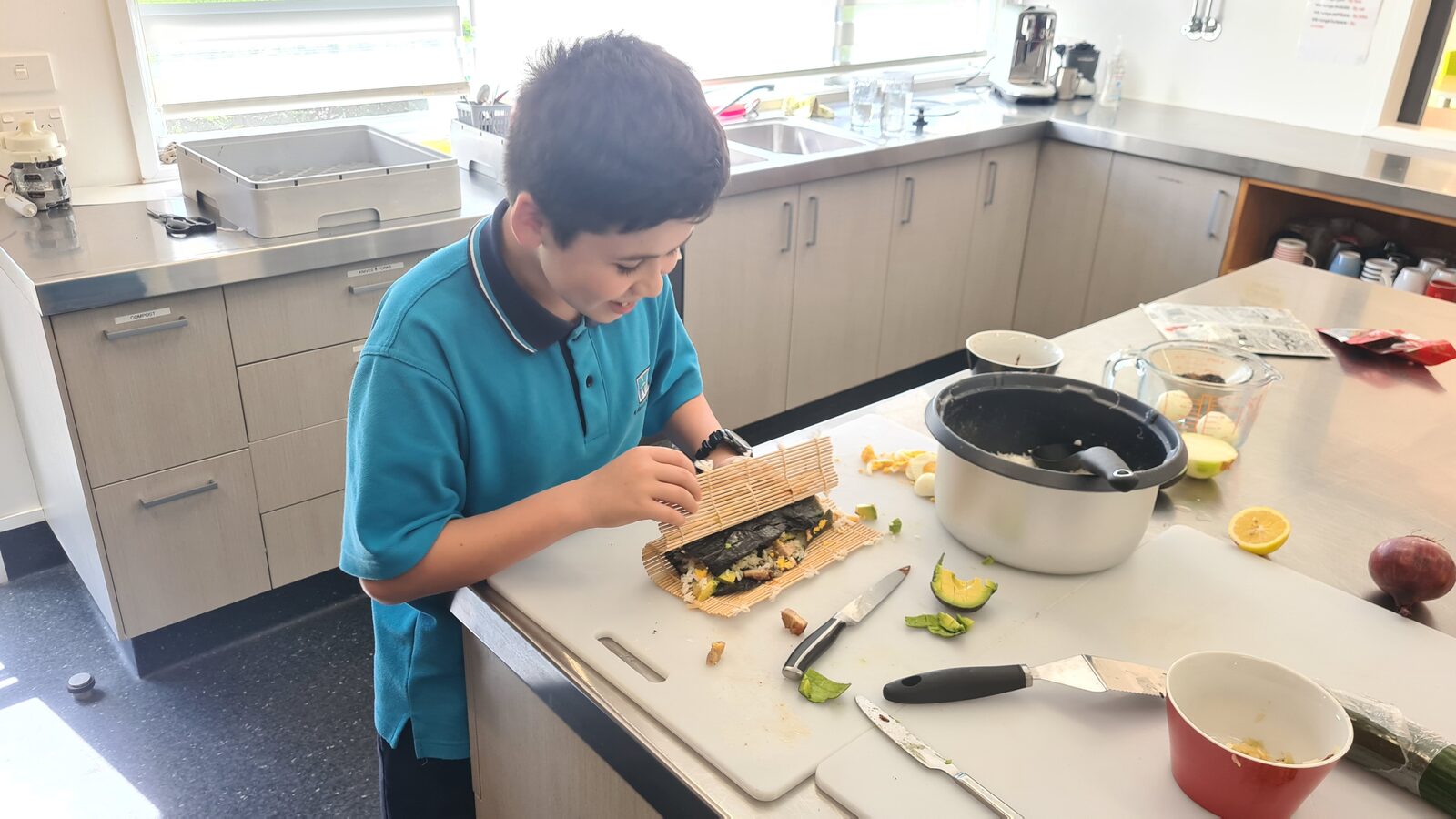
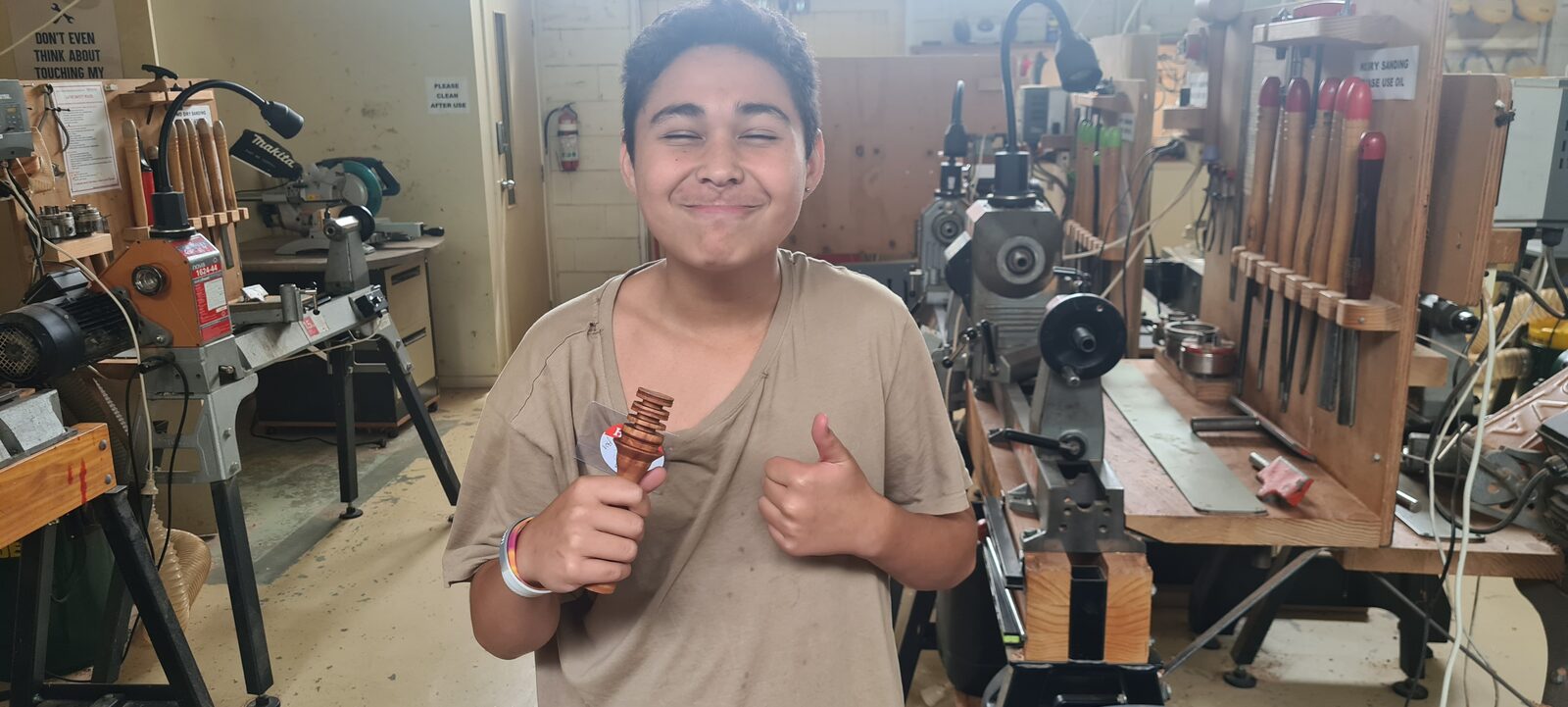
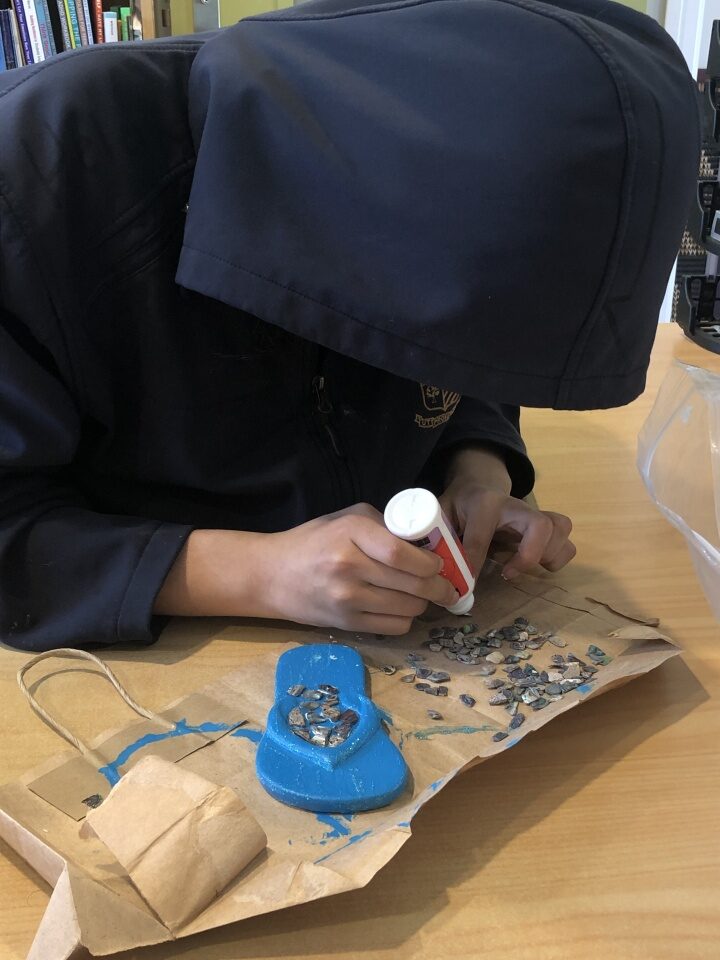
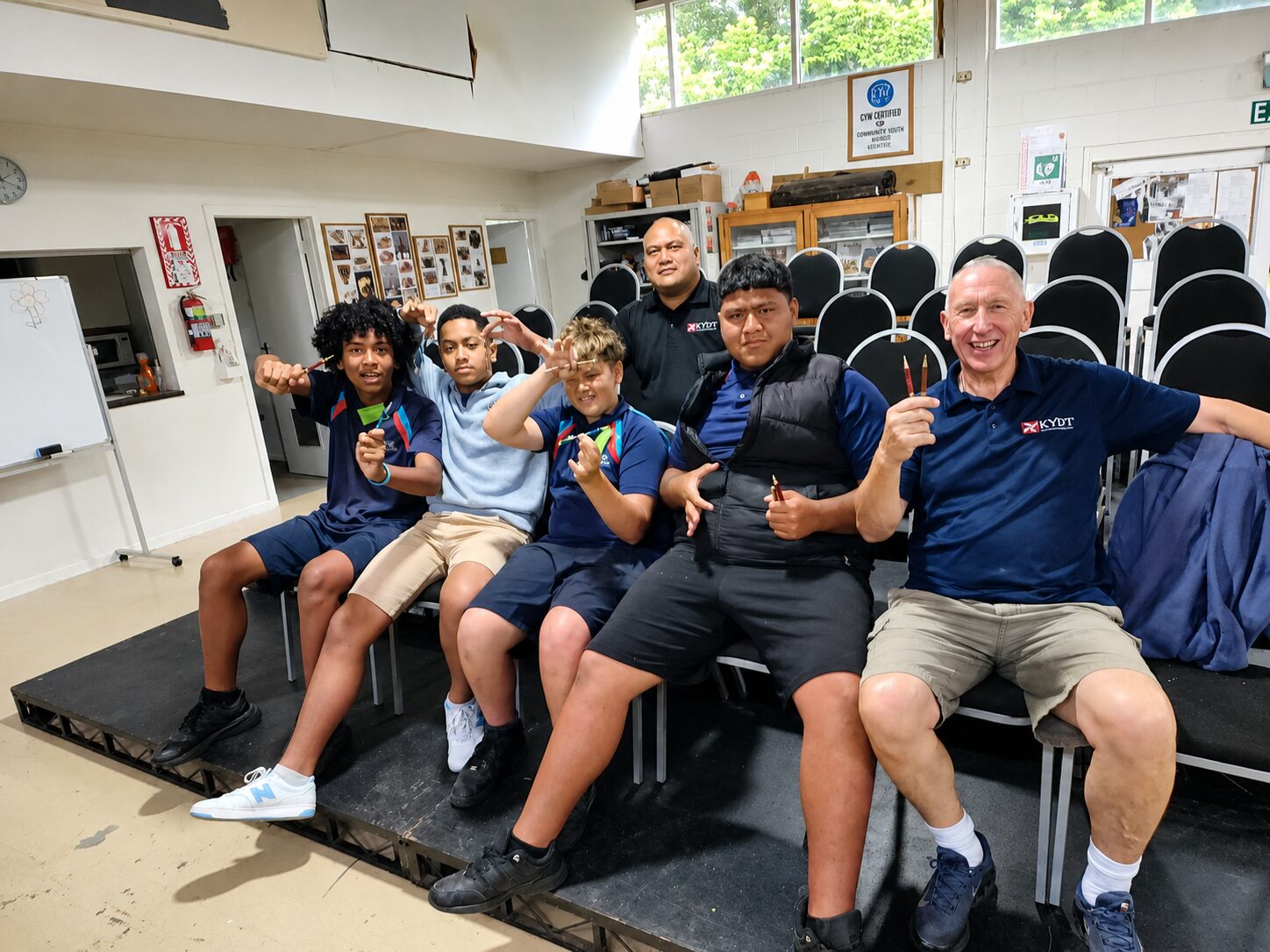
Everyday moments of connection and trust

How we measure the mahi
Across five priority areas, we track the activities we deliver against the outcomes achieved. Select an area to explore.
Weekly mentoring, whānau visits, and consistent relationship building.
High participation, improved attendance, and stronger engagement.
Goal setting, strengths-based mentoring, and regular progress reviews.
Increased confidence, healthier choices, and greater accountability.
School liaison, agency collaboration, and early intervention.
Improved school attendance, reduced offending, and better decision-making.
MOUs, referral meetings, and clear communication pathways.
Positive feedback, stronger collaboration, and increased referrals.
Ethical practice, monitoring, staff development, and leadership.
Continuous improvement, quality service delivery, and sustained community demand.
What we accomplish
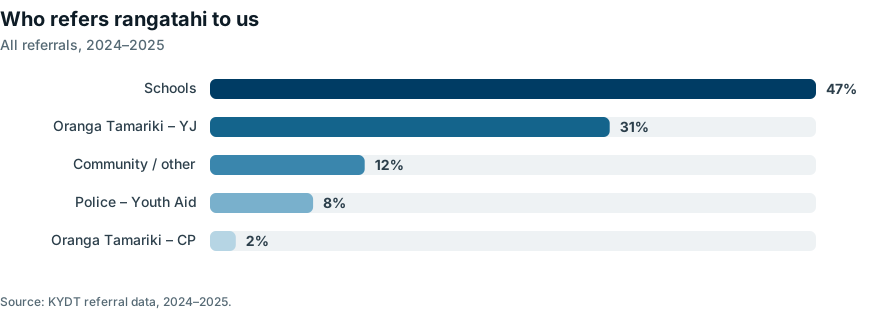
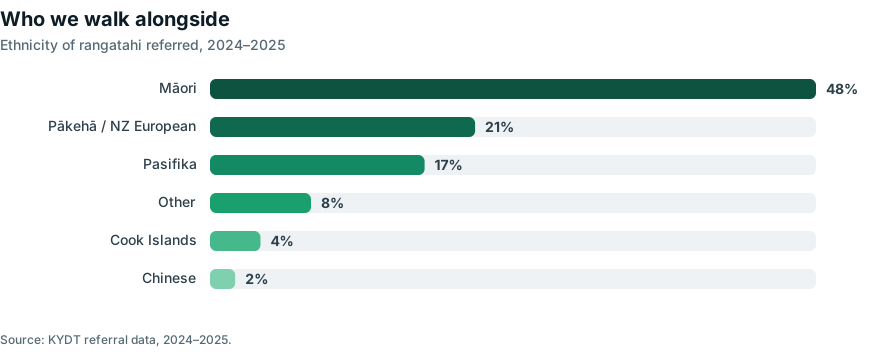
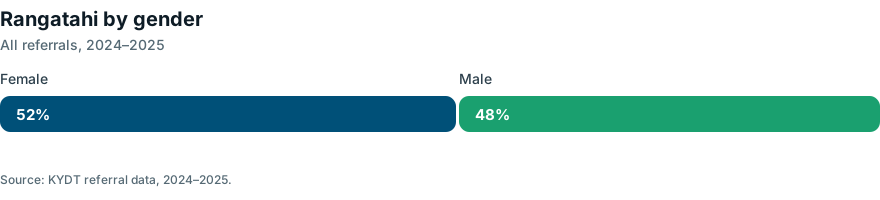
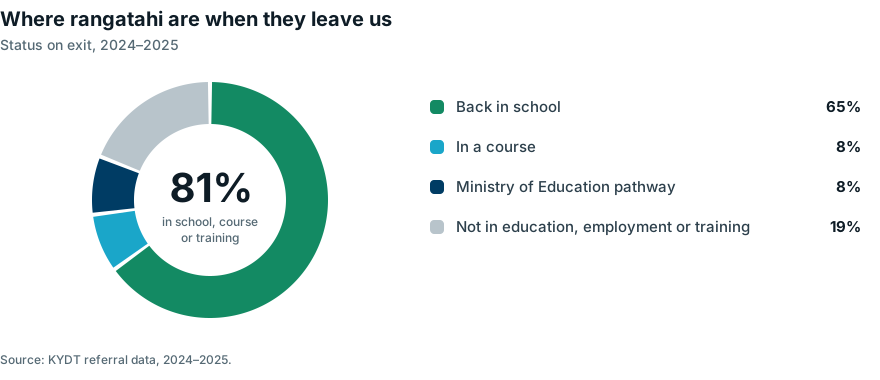
Who comes to us, and who they are when they leave.
With each Rangatahi, the relationship continues beyond their allocated support. They are always welcome to reach out, call, or visit whenever they need encouragement, connection, or a familiar face as they continue on their journey.
Impressed by the mahi? Help us do more of it
Corporate partners and funders make this work possible. Let's kōrero about walking alongside us.